
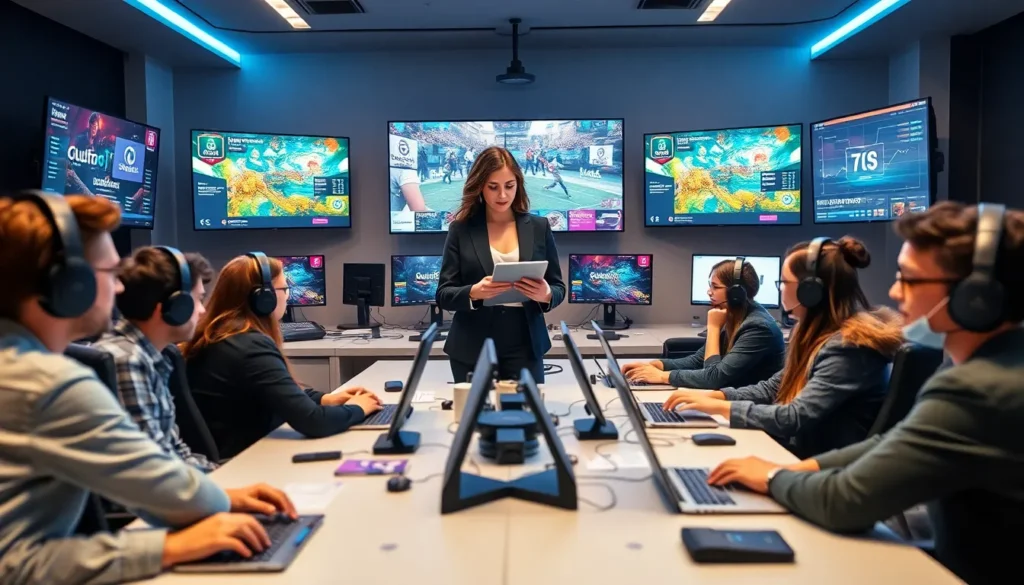
Esports coverage strategies determine whether media outlets thrive or fade into obscurity. The competitive gaming industry generated over $1.8 billion in revenue in 2024, and audiences expect professional, engaging content that matches the intensity of the games they love. Publishers, streamers, and journalists compete for attention in a crowded market where viewers have endless options.
Successful esports coverage requires more than showing up with a camera. It demands strategic planning, platform expertise, and genuine community connection. This guide breaks down proven methods for capturing audience attention and keeping viewers engaged across tournaments, leagues, and breaking news cycles.
Table of Contents
ToggleKey Takeaways
- Effective esports coverage strategies require a multi-platform approach, meeting audiences on Twitch, YouTube, TikTok, and social media based on their content preferences.
- Repurpose tournament content into multiple formats—live streams, highlight clips, written recaps, and podcasts—to maximize reach without drastically increasing production costs.
- Preparation is critical for live event coverage: research teams, build storylines, test equipment, and create asset libraries before tournaments begin.
- Community engagement through Discord servers, social media polls, and responding to comments transforms passive viewers into loyal followers.
- Consistency beats volume—publishing on a regular schedule builds audience habits and anticipation more effectively than sporadic high-quality posts.
- Identify underserved niches in esports coverage, such as neglected games or regional scenes, to find growth opportunities in the competitive media landscape.
Understanding the Esports Media Landscape
The esports media landscape looks nothing like traditional sports broadcasting. Audiences skew younger, consume content on multiple devices simultaneously, and expect interaction with creators. Understanding these dynamics shapes effective esports coverage strategies from the ground up.
Platforms like Twitch, YouTube Gaming, and TikTok dominate viewership. Each attracts different demographics and content preferences. Twitch excels at live streaming and real-time chat engagement. YouTube captures longer-form content and post-event highlights. TikTok delivers viral clips and personality-driven shorts.
Audience behavior patterns reveal key insights for content creators:
- Peak viewing times align with major tournament schedules and evening hours in target regions
- Mobile consumption accounts for roughly 40% of esports content views
- Second-screen behavior means viewers often watch streams while playing games themselves
- Community loyalty runs deep, fans follow specific teams, players, and commentators
Competition comes from official league broadcasts, independent creators, team-owned media channels, and traditional sports networks entering the space. Each competitor brings different strengths. Official broadcasts have exclusive access. Independent creators offer authentic personalities. Team channels provide insider perspectives.
Smart esports coverage strategies identify gaps in existing coverage. Maybe a particular game lacks quality analysis content. Perhaps regional scenes receive minimal attention from major outlets. Finding underserved audiences creates opportunities for growth.
Building a Multi-Platform Content Strategy
Effective esports coverage strategies never rely on a single platform. Audiences scatter across multiple channels, and smart publishers meet them wherever they prefer to consume content.
Start by identifying primary and secondary platforms based on target audience research. A coverage operation focused on League of Legends might prioritize Twitch for live content and Reddit for community discussion. Counter-Strike coverage could emphasize YouTube for match analysis and Twitter/X for breaking roster news.
Content repurposing maximizes production efficiency. A single tournament can generate:
- Live stream coverage with commentary
- Post-match highlight packages
- Short-form clips for social platforms
- Written recaps and analysis articles
- Podcast episodes discussing key moments
- Statistical breakdowns and infographics
Each format serves different consumption preferences. Some fans want deep-dive analysis. Others just need a 60-second recap to catch up. Meeting both needs expands total reach without proportionally increasing production costs.
Consistency matters more than volume. Publishing schedules train audiences to expect content at specific times. A weekly power rankings video released every Monday builds anticipation and habit. Sporadic posting, even of high-quality content, struggles to build loyal audiences.
Esports coverage strategies should also consider platform-specific optimization. Vertical video performs better on TikTok and Instagram Reels. YouTube rewards longer watch times. Twitter/X favors timely reactions and conversation starters. Adapting content format to platform requirements improves performance across the board.
Live Event Coverage Best Practices
Live events represent the highest-stakes moments for esports coverage strategies. Tournaments drive massive viewership spikes, and coverage quality during these windows shapes long-term audience relationships.
Preparation separates professional coverage from amateur efforts. Before any major event:
- Research participating teams, players, and recent form
- Prepare storylines and narratives to follow throughout the tournament
- Test all technical equipment and backup systems
- Coordinate roles among team members covering the event
- Build asset libraries of logos, player photos, and graphics
Real-time coverage demands speed without sacrificing accuracy. Breaking news about roster changes, technical issues, or upset victories needs immediate attention. But, rushing to publish incorrect information damages credibility faster than being slightly slower than competitors.
Commentary and analysis add value beyond raw gameplay footage. Viewers can watch official broadcasts for play-by-play. Independent coverage succeeds by offering unique perspectives, deeper analysis, or personality-driven entertainment that official channels cannot match.
Post-event content extends the value of live coverage. Match highlights, player interviews, and tournament recaps continue generating views long after the final game ends. Esports coverage strategies should allocate resources for post-production, not just live broadcasting.
Engagement during live events drives community building. Responding to chat messages, running predictions, and acknowledging viewer contributions creates connection. Passive broadcasting misses opportunities to convert casual viewers into loyal followers.
Leveraging Social Media and Community Engagement
Social media transforms esports coverage strategies from one-way broadcasts into community conversations. Platforms provide direct access to audiences and enable real-time interaction that traditional media cannot replicate.
Twitter/X remains the central hub for esports news and discussion. Breaking stories spread there first. Players, teams, and journalists engage publicly. Building presence on this platform means joining conversations, not just posting links to content.
Discord servers create owned community spaces. Unlike social platforms controlled by algorithms, Discord allows direct communication with engaged fans. Many successful esports coverage operations run active Discord servers where viewers discuss matches, share opinions, and connect with each other.
Community engagement tactics that actually work:
- Polls and predictions before matches generate discussion and investment in outcomes
- User-generated content features showcase fan creativity and encourage participation
- Behind-the-scenes content humanizes creators and builds personal connections
- Response to comments and mentions shows audiences their input matters
- Collaborative content with community members rewards engaged followers
Authenticity matters more than polish on social platforms. Overly corporate messaging falls flat with esports audiences who value genuine personalities. Successful esports coverage strategies balance professional quality with relatable, human communication.
Data from social engagement informs content decisions. Which topics generate the most discussion? What content formats drive shares? When do followers engage most actively? Analytics reveal audience preferences that should shape future coverage priorities.
Building community takes time. Consistent presence, genuine interaction, and valuable content compound over months and years. There are no shortcuts to audience trust.