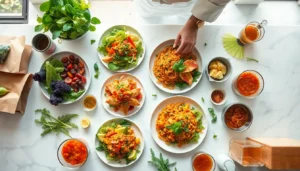
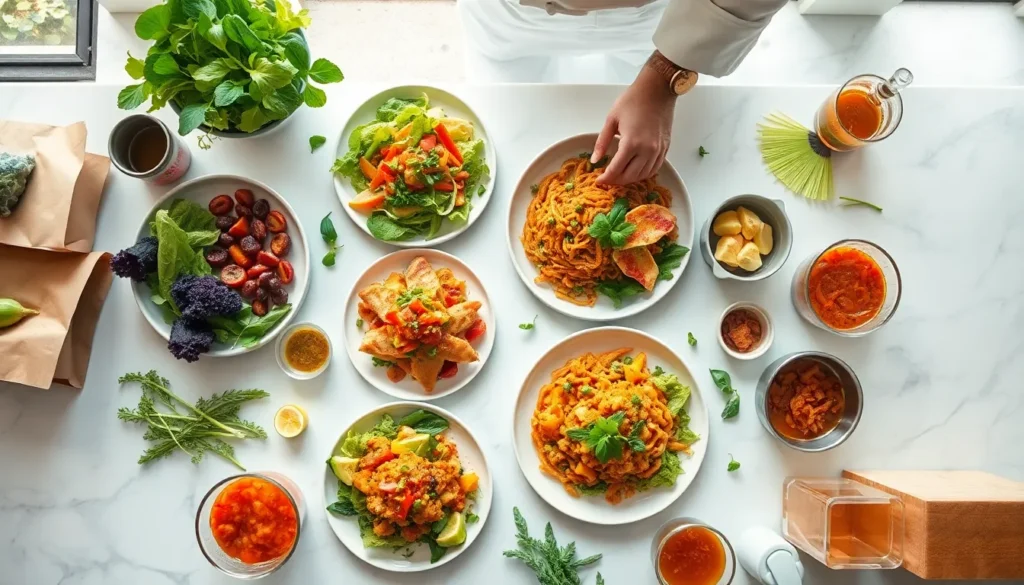
The best food trends in 2025 reflect a shift in how people think about meals, ingredients, and sustainability. Consumers want flavor, but they also want purpose. They’re choosing foods that support their health, respect the planet, and introduce them to new culinary experiences. From plant-based proteins to hyper-local sourcing, these trends represent more than passing fads. They signal lasting changes in kitchens, restaurants, and grocery aisles. This guide breaks down the most influential food trends shaping plates across the country this year.
Table of Contents
ToggleKey Takeaways
- The best food trends in 2025 prioritize health, sustainability, and global culinary exploration over fleeting fads.
- Plant-based innovation now includes realistic whole-cut alternatives, fermented proteins, and improved dairy-free cheeses that appeal to mainstream consumers.
- Global flavors from West Africa, Southeast Asia, and Latin America are expanding American palates through fusion dishes and accessible international ingredients.
- Functional foods with adaptogens, probiotics, and omega-3s help consumers actively improve their well-being through everyday eating.
- Sustainable and zero-waste cooking practices—like root-to-stem preparation and upcycled ingredients—reduce environmental impact while adding creativity to meals.
- Hyper-local sourcing through farmers’ markets, urban farms, and home gardens connects people directly to fresher, regionally grown ingredients.
Plant-Based Innovation Takes Center Stage
Plant-based eating has moved far beyond basic veggie burgers. In 2025, innovation drives this category forward with products that taste better, cook easier, and offer improved nutrition. Companies now use fermentation, precision protein science, and whole-food ingredients to create meat alternatives that satisfy even skeptical carnivores.
This best food trend shows no signs of slowing. Sales of plant-based products continue climbing as consumers reduce meat intake for health, environmental, or ethical reasons. Restaurants feature plant-forward menus, and fast-food chains expand their meatless options.
Notable developments include:
- Whole-cut alternatives: New products mimic steaks, chicken breasts, and fish fillets with realistic textures.
- Fermented proteins: Mycoprotein and fermented fungi offer complete amino acid profiles and a satisfying chew.
- Dairy-free cheese upgrades: Improved melting, stretching, and flavor profiles make plant-based cheeses more appealing.
Home cooks also embrace plant-based cooking. They experiment with jackfruit, tempeh, and legume-based pastas. Grocery stores dedicate more shelf space to these products, making them accessible to mainstream shoppers.
This trend reflects a broader mindset shift. People see plant-based eating as practical rather than restrictive. It fits into everyday meals without requiring a complete lifestyle overhaul.
Global Flavors and Fusion Cuisine
Global flavors dominate restaurant menus and home kitchens in 2025. Diners seek authentic tastes from West Africa, Southeast Asia, the Middle East, and Latin America. They want bold spices, unfamiliar ingredients, and dishes that tell a story.
This best food trend expands palates and introduces people to cuisines they may never have tried. Filipino adobo, Ethiopian injera, and Peruvian ceviche appear on tables across the United States. Social media accelerates this interest, as food creators share recipes and cooking techniques from around the globe.
Fusion cuisine also thrives. Chefs blend traditions to create exciting new dishes:
- Korean-Mexican tacos combine gochujang-glazed meats with fresh salsas.
- Japanese-Italian pasta features miso butter, nori, and umami-rich sauces.
- Indian-inspired pizza showcases tandoori chicken and paneer toppings.
Grocery stores stock international ingredients more readily. Shoppers find gochugaru, sumac, tahini, and fish sauce in mainstream aisles. This accessibility empowers home cooks to recreate global dishes without visiting specialty stores.
The appeal lies in discovery. People want meals that excite them and offer something different from their usual rotation. Global flavors deliver that sense of adventure on every plate.
Functional Foods and Wellness-Driven Eating
Functional foods gain momentum as consumers connect diet with overall well-being. These foods offer specific health benefits beyond basic nutrition. They support gut health, boost immunity, improve focus, or reduce inflammation.
This best food trend appears everywhere, from grocery shelves to restaurant specials. Brands fortify products with adaptogens, probiotics, and nootropics. Consumers read labels carefully and choose foods that align with their health goals.
Popular functional ingredients in 2025 include:
- Adaptogens: Ashwagandha, reishi mushrooms, and rhodiola help manage stress.
- Prebiotics and probiotics: Fermented foods like kimchi, kefir, and kombucha support digestive health.
- Collagen: Added to beverages, snacks, and supplements for skin and joint support.
- Omega-3 fatty acids: Found in fortified eggs, plant oils, and algae-based products.
Beverages lead this trend. Functional drinks combine hydration with targeted benefits. Shoppers choose drinks infused with electrolytes, vitamins, or calming herbs over sugary sodas.
Restaurants respond by highlighting the health benefits of menu items. Diners see dishes featuring turmeric for inflammation or leafy greens for iron and antioxidants.
This shift represents a proactive approach to eating. People don’t just avoid unhealthy foods, they actively seek out foods that improve how they feel and perform daily.
Sustainable and Zero-Waste Cooking
Sustainability shapes food choices in 2025. Consumers care about where their food comes from and what happens to leftovers. They favor brands and restaurants that reduce environmental impact and minimize waste.
This best food trend influences purchasing decisions at every level. Shoppers choose products with minimal packaging, support regenerative farms, and buy ugly produce that might otherwise go to landfills.
Zero-waste cooking practices gain popularity:
- Root-to-stem cooking: Chefs and home cooks use vegetable scraps, peels, and stems in stocks, sauces, and garnishes.
- Nose-to-tail eating: Restaurants serve lesser-used animal parts, reducing waste and offering unique flavors.
- Upcycled ingredients: Companies transform food byproducts into new products, like flour made from spent grain or chips made from fruit pulp.
Meal planning also plays a role. People plan weekly menus to buy only what they need. They store food properly to extend freshness and repurpose leftovers into new meals.
Restaurants commit to sustainability through composting programs, reusable containers, and locally sourced menus. Diners reward these efforts with their loyalty and spending.
This trend reflects growing awareness. People understand that food waste contributes to greenhouse gas emissions. They take personal responsibility through daily cooking choices.
The Rise of Hyper-Local Ingredients
Hyper-local sourcing defines another best food trend in 2025. Consumers and chefs prioritize ingredients grown or produced within their immediate region. This approach supports local economies, reduces transportation emissions, and delivers fresher products.
Farmers’ markets thrive as shoppers seek direct connections with growers. They ask questions about farming practices and learn the stories behind their food. This transparency builds trust and loyalty.
Restaurants embrace hyper-local menus:
- Seasonal specials change based on what local farms harvest.
- On-site gardens provide herbs, greens, and vegetables steps from the kitchen.
- Partnerships with nearby producers ensure consistent access to fresh dairy, meat, and eggs.
Urban farming expands this trend. Rooftop gardens, vertical farms, and community plots bring agriculture into cities. Residents grow tomatoes, peppers, and leafy greens in spaces previously unused.
Home gardening also increases. People plant herbs on windowsills and vegetables in backyard beds. They preserve summer harvests through canning, pickling, and freezing for year-round enjoyment.
This trend connects people to their food in meaningful ways. They appreciate the effort behind each ingredient and value quality over convenience. Hyper-local eating turns meals into celebrations of place and season.