
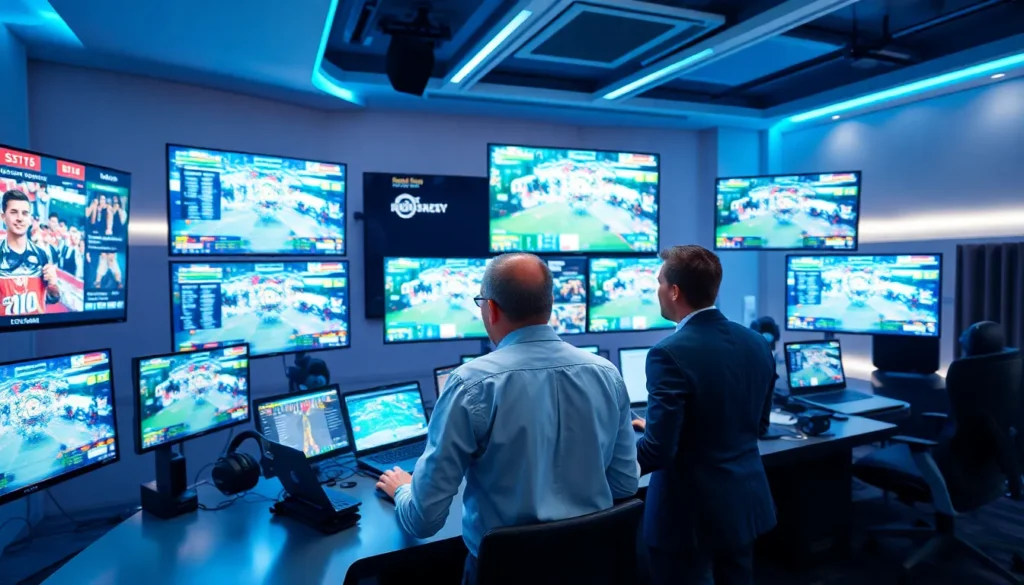
Esports coverage examples show how competitive gaming has transformed into a media phenomenon. Major tournaments now attract millions of viewers across multiple platforms. Networks, streaming services, and digital publishers compete to deliver the best coverage of events like The International, League of Legends Worlds, and the Valorant Champions Tour.
The esports industry generates billions in revenue, and media coverage plays a central role in that growth. From live broadcasts on ESPN to real-time Twitter updates, the ways audiences consume esports content have expanded dramatically. This article examines the primary formats used to cover esports events, including traditional broadcasts, streaming platforms, editorial content, and social media channels.
Table of Contents
ToggleKey Takeaways
- Esports coverage examples span traditional TV broadcasts, live streaming platforms, editorial content, and social media channels.
- Networks like ESPN and TBS have legitimized competitive gaming by applying professional sports production standards to esports events.
- Twitch leads esports streaming with major tournaments drawing millions of concurrent viewers, while YouTube Gaming offers exclusive league broadcasts and on-demand content.
- Written esports journalism from outlets like Dot Esports and Dexerto delivers news, player profiles, and match analysis that add depth beyond live coverage.
- Social media platforms enable real-time esports coverage, with Twitter breaking news instantly and TikTok spreading highlight clips to younger audiences.
- Modern esports coverage combines multiple formats to serve diverse fan preferences—from detailed analyst desks to quick social media clips.
Traditional Broadcast Coverage
Traditional broadcast coverage brings esports to mainstream television audiences. Networks like ESPN, TBS, and ABC have aired major esports events in recent years. ESPN’s coverage of The International (Dota 2) and League of Legends World Championship helped legitimize competitive gaming as a spectator sport.
These broadcasts follow familiar sports production formats. They feature pre-game analysis, play-by-play commentary, color analysts, and post-match interviews. The production quality matches traditional sports coverage, with multiple camera angles, instant replays, and on-screen graphics showing player statistics.
One notable esports coverage example is TBS’s ELEAGUE, which ran from 2016 to 2020. The network produced professional Counter-Strike: Global Offensive broadcasts that aired during prime time. ELEAGUE employed experienced television producers alongside esports commentators to create content that appealed to both gaming fans and casual viewers.
Broadcast coverage of esports events also includes documentary-style features. These segments highlight player backstories, team dynamics, and tournament history. They add emotional depth that pure gameplay footage cannot provide.
The challenge with traditional broadcast esports coverage lies in explaining complex game mechanics to unfamiliar audiences. Commentators must balance technical analysis for dedicated fans with accessible explanations for newcomers. This dual approach has become standard practice across most televised esports events.
Live Streaming Platforms
Live streaming platforms dominate esports coverage today. Twitch, YouTube Gaming, and Kick serve as the primary destinations for viewers watching competitive gaming events. These platforms offer advantages that traditional television cannot match.
Twitch remains the leader in esports streaming. Major tournaments regularly draw hundreds of thousands of concurrent viewers on the platform. The 2023 League of Legends World Championship final peaked at over 6 million concurrent viewers across all streaming platforms. Twitch’s chat feature creates a communal viewing experience that appeals to the gaming audience.
YouTube Gaming has secured exclusive streaming rights for several major leagues. The platform hosts Call of Duty League and Overwatch League broadcasts. YouTube’s search functionality and video-on-demand features help new fans discover esports coverage examples from past events.
Live streaming esports coverage typically includes multiple viewing options. Viewers can watch the main broadcast with commentary or select individual player perspectives. Some streams offer map overviews, statistics dashboards, and alternate language broadcasts. This flexibility lets viewers customize their experience.
Production quality on streaming platforms now rivals traditional television. Professional esports organizations employ dedicated broadcast teams with experience from sports networks. The Valorant Champions Tour, for example, features studio segments, analyst desks, and cinematic team introductions that match any major sporting event.
Streaming platforms also enable co-streaming, where popular content creators broadcast official feeds with their own commentary. This practice extends the reach of esports coverage to audiences who may not follow official channels.
Written and Editorial Coverage
Written coverage provides depth that live broadcasts cannot offer. Esports journalism has matured significantly over the past decade. Publications like Dot Esports, Dexerto, and ESPN Esports produce daily news, features, and analysis.
News coverage tracks roster changes, tournament results, and industry developments. These stories break quickly, often appearing within minutes of announcements. Speed matters in esports journalism because the audience expects immediate information.
Feature articles represent another form of esports coverage examples in written media. Long-form profiles explore player careers, team histories, and game-specific strategies. These pieces offer context that casual fans may miss during live broadcasts.
Match recaps serve fans who cannot watch events live. Writers summarize key moments, highlight standout performances, and analyze strategic decisions. Good recaps capture the drama of competition while providing useful information.
Opinion pieces and analysis columns round out editorial esports coverage. Experienced writers debate meta changes, predict tournament outcomes, and evaluate team performances. This content sparks discussion within the community and keeps fans engaged between events.
Some outlets have developed unique editorial approaches. The Score Esports combines written content with video essays on YouTube. Inven Global focuses on interviews and insider reporting from the Korean esports scene. These specialized publications serve dedicated fan bases with targeted coverage.
Social Media and Real-Time Updates
Social media platforms deliver esports coverage in real time. Twitter (now X), Instagram, TikTok, and Reddit each play distinct roles in how fans follow competitive gaming events.
Twitter serves as the primary breaking news platform for esports. Teams, players, journalists, and tournament organizers post updates throughout events. Fans follow hashtags to track match results and community reactions. The platform’s speed makes it essential for esports coverage during live competitions.
Instagram and TikTok focus on visual content. Teams post behind-the-scenes footage, player highlights, and promotional material. Short-form video clips capture exciting moments from matches and spread quickly across these platforms. This type of esports coverage attracts younger audiences who prefer visual content over text.
Reddit hosts in-depth discussion about esports events. Game-specific subreddits like r/leagueoflegends and r/GlobalOffensive feature match threads, post-game analysis, and community reactions. The voting system surfaces popular content and opinions. Many esports professionals participate in Reddit discussions, creating direct connections with fans.
Discord servers provide another layer of real-time esports coverage. Official team and tournament servers host watch parties and live discussions. Fans interact with each other and sometimes with players during events.
Social media esports coverage examples demonstrate how audiences now expect immediate access to information. A spectacular play can appear as a clip on Twitter, reach Reddit’s front page, and become a TikTok trend within minutes. This speed has changed how organizations approach content creation and fan engagement.