
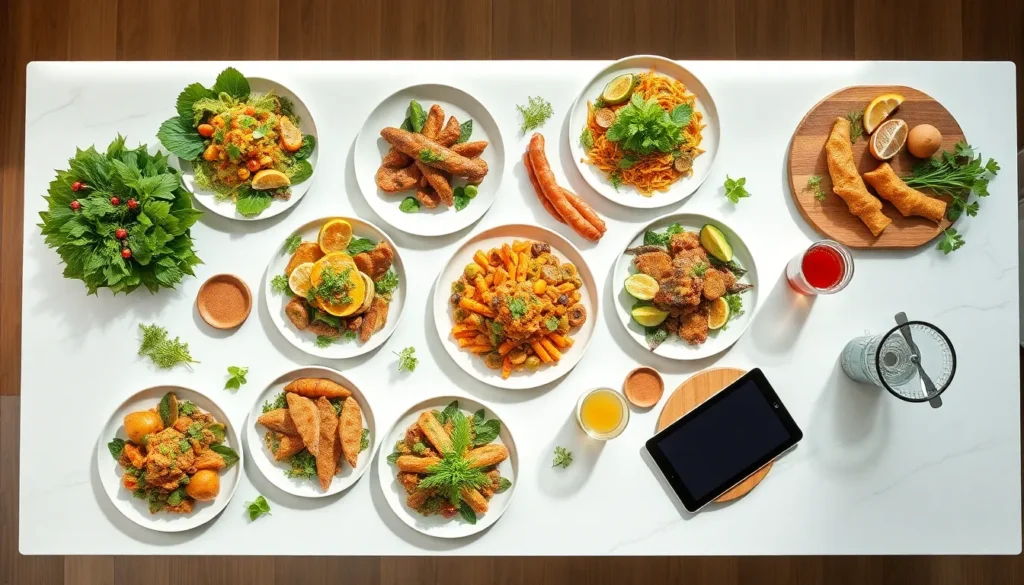
The way people eat is changing fast. This food trends guide breaks down the biggest shifts in 2025, from plant-based innovation to tech-driven dining experiences. Consumers want more than good taste. They want food that supports their health, aligns with their values, and reflects global culinary traditions. Whether someone runs a restaurant, develops food products, or simply wants to stay ahead of what’s hot, understanding these food trends matters. The choices people make at grocery stores, restaurants, and home kitchens are being shaped by sustainability concerns, wellness goals, and a growing appetite for bold international flavors. Here’s what’s defining the food landscape this year.
Table of Contents
ToggleKey Takeaways
- This food trends guide reveals that plant-based innovation, global flavors, functional foods, and technology are reshaping how people eat in 2025.
- Sustainability concerns drive consumer choices, with upcycled ingredients and regenerative farming practices becoming powerful selling points.
- West African, Filipino, and regional Mexican cuisines are leading the charge as American palates embrace bold, authentic global flavors.
- Functional foods targeting gut health, stress relief, and sleep support have moved from niche wellness shops to mainstream grocery stores.
- Technology like AI-powered meal personalization, vertical farming, and blockchain traceability is transforming food discovery and transparency.
- Brands that combine great taste with health benefits and transparent sourcing win consumer loyalty in today’s competitive food landscape.
Plant-Based Innovation and Sustainable Eating
Plant-based eating has moved far beyond veggie burgers. In 2025, this food trend shows up in everything from dairy-free cheeses that actually melt to mushroom-based bacon with a convincing crunch. Companies have cracked the code on texture and flavor, making plant-based options appealing even to committed meat eaters.
Sustainability drives much of this shift. Consumers increasingly consider the environmental impact of their food choices. They ask questions: Where did this come from? How was it produced? What’s the carbon footprint? Brands that answer these questions transparently win loyalty.
Upcycled ingredients represent another key development in this food trends guide. Food manufacturers now use parts of produce that previously went to waste, like fruit pulp from juice production or spent grain from breweries. These ingredients become chips, cereals, and protein powders. It’s smart business and good for the planet.
Regennerative farming practices also influence what lands on plates. Consumers want food grown in ways that restore soil health and support biodiversity. Labels highlighting regenerative practices have become powerful selling points.
The plant-based trend isn’t about deprivation. It’s about variety and creativity. Chefs experiment with jackfruit, hearts of palm, and lesser-known legumes. Home cooks discover that eating more plants can actually expand their culinary horizons rather than limit them.
Global Flavors Taking Center Stage
American palates have grown adventurous. This section of the food trends guide highlights how global cuisines now shape everyday eating in 2025.
West African flavors lead the charge. Ingredients like suya spice, shito (a Ghanaian black pepper sauce), and egusi (melon seeds) appear on restaurant menus and grocery shelves alike. Jollof rice has become nearly as recognizable as pad thai.
Filipino food continues its rise. Dishes like adobo, sisig, and ube desserts have crossed into mainstream consciousness. The sweet-sour-savory balance of Filipino cooking appeals to American taste preferences while offering something distinctly different.
Middle Eastern and North African flavors remain strong food trends. Harissa, za’atar, and tahini have become pantry staples. Consumers reach for these ingredients at home, not just at restaurants. Shakshuka appears on brunch menus across the country.
Regional Mexican cuisine deserves mention too. Diners now distinguish between Oaxacan mole and Yucatecan cochinita pibil. They seek out specific regional dishes rather than generic “Mexican food.” This specificity reflects a broader trend toward culinary authenticity and education.
Fusion approaches also thrive. Korean-Mexican tacos, Indian-Italian pasta, Japanese-Peruvian ceviche, these combinations feel fresh rather than forced. Chefs blend traditions with respect and creativity, and diners respond enthusiastically.
Functional Foods and Wellness-Driven Choices
Food as medicine isn’t a new concept, but 2025 brings it into sharper focus. This food trends guide shows how functional foods, products designed to deliver specific health benefits, have hit the mainstream.
Gut health dominates conversations. Fermented foods like kimchi, kefir, and kombucha continue selling strongly. Prebiotic and probiotic products target digestive wellness directly. Consumers read labels looking for live cultures and fiber content.
Adaptogens have moved from wellness shops to conventional grocery stores. Ashwagandha, reishi mushrooms, and lion’s mane appear in coffees, chocolates, and snack bars. People want stress relief and cognitive support built into foods they already enjoy.
Protein remains a priority across demographics. High-protein snacks, cereals, and even ice creams attract buyers focused on satiety and muscle maintenance. Plant-based protein sources like lupini beans and hemp seeds offer alternatives to animal products.
Sleep-supporting foods represent an emerging food trend worth watching. Ingredients like tart cherry, magnesium, and L-theanine show up in evening beverages and snacks marketed for better rest.
Low-sugar and low-carb options continue expanding. But, consumers have gotten pickier. They want products that taste good, not just products that meet macronutrient goals. Brands that deliver both satisfaction and health benefits capture market share.
Technology’s Role in Modern Food Culture
Technology reshapes how people discover, order, and even grow food. This food trends guide wouldn’t be complete without examining tech’s influence on eating habits in 2025.
AI-powered personalization has arrived. Apps analyze dietary preferences, health goals, and past choices to recommend meals and recipes. Grocery delivery services suggest products based on purchase history and nutritional needs. The experience feels increasingly customized.
Ghost kitchens and virtual restaurants continue expanding. These delivery-only operations let entrepreneurs test concepts without traditional restaurant overhead. Consumers benefit from more variety and faster delivery times.
3D-printed food moves beyond novelty. Restaurants use printing technology to create intricate chocolate designs and precisely portioned dishes. Some companies print plant-based steaks with realistic muscle fiber textures.
Vertical farming and controlled-environment agriculture bring fresh produce closer to urban consumers. Lettuce, herbs, and microgreens grown in warehouse facilities reach stores faster and with smaller environmental footprints. This food trend addresses both sustainability and supply chain concerns.
Social media continues shaping what people eat. TikTok food trends spark overnight sensations, a viral dipping sauce, a photogenic pasta dish, an unexpected flavor combination. Brands monitor these platforms closely, ready to respond to sudden shifts in consumer interest.
Blockchain technology improves food traceability. Consumers scan QR codes to see exactly where their salmon was caught or their coffee beans were grown. Transparency builds trust, and tech makes it possible at scale.