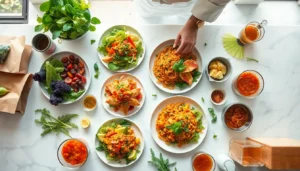

Food trends tips matter more than ever in 2025. The way people eat changes fast. New ingredients, cooking methods, and dietary preferences emerge each year. Staying current helps home cooks, food enthusiasts, and industry professionals make smarter choices.
This guide covers the most important food trends tips for 2025. Readers will learn how to spot emerging trends early, apply them practically, and balance new ideas with healthy eating habits. Whether someone wants to impress dinner guests or simply eat better, these insights offer a clear path forward.
Table of Contents
ToggleKey Takeaways
- Food trends tips for 2025 emphasize plant-based whole foods, functional ingredients, and global flavors over processed alternatives.
- Spot emerging food trends early by following industry reports, restaurant menus in major cities, and social media platforms like TikTok.
- Start small when adopting new trends—swap one ingredient at a time rather than overhauling your entire pantry.
- Sustainability and hyper-local sourcing now heavily influence consumer purchasing decisions and menu development.
- Balance trendy eating with timeless habits by prioritizing whole foods, questioning marketing claims, and respecting personal preferences.
- The best food trends tips expand your culinary options without replacing common sense or creating mealtime anxiety.
Understanding Current Food Trends
Food trends in 2025 reflect several key shifts. Plant-based eating continues to grow, but it looks different now. Consumers want whole food options rather than processed meat alternatives. Mushrooms, legumes, and fermented foods lead this movement.
Functional foods have gained serious traction. These are foods that offer specific health benefits beyond basic nutrition. Think adaptogenic herbs in coffee, probiotics in snacks, and collagen in everyday beverages. People want their food to do more than just taste good.
Global flavors dominate menus and grocery aisles. West African spices, Korean gochujang, and Middle Eastern za’atar appear in mainstream products. Home cooks experiment with these ingredients more confidently than before.
Sustainability shapes purchasing decisions. Upcycled ingredients, made from food that would otherwise become waste, now appear in crackers, flours, and beverages. Consumers read labels more carefully. They ask where food comes from and how it was produced.
Hyper-local sourcing matters too. Restaurants highlight ingredients from nearby farms. Grocery stores feature regional products. This trend connects food choices to community support.
Understanding these food trends tips helps anyone make informed decisions. The key is knowing why trends emerge, not just what they are. Health concerns, environmental awareness, and cultural curiosity drive most changes in how people eat.
How to Identify Emerging Food Trends Early
Spotting food trends early gives anyone an advantage. Here are practical food trends tips for identifying what’s next.
Follow industry publications and reports. Organizations like the Specialty Food Association and research firms publish annual predictions. These reports analyze market data and consumer behavior. They often predict trends 12 to 18 months before they hit mainstream awareness.
Watch restaurant menus in major cities. New York, Los Angeles, London, and Tokyo often debut ingredients and techniques that spread globally. When multiple high-end restaurants feature the same ingredient, pay attention.
Monitor social media platforms. TikTok and Instagram drive food trends faster than traditional media. Hashtags reveal what home cooks find exciting. A viral recipe can shift grocery demand within weeks.
Track grocery store innovations. Specialty stores like Whole Foods and Trader Joe’s test new products regularly. Their buyers research emerging categories. When they stock something new, it signals growing consumer interest.
Listen to younger generations. Gen Z and millennials often adopt food trends first. They prioritize experiences, ethics, and health in different ways than older consumers. Their preferences forecast broader market shifts.
Pay attention to adjacent industries. Wellness, fitness, and beauty trends often predict food trends. When adaptogens became popular in skincare, they soon appeared in beverages. The connection between industries reveals future food directions.
These food trends tips help anyone stay ahead. Early awareness creates opportunities for experimentation before a trend becomes oversaturated.
Practical Tips for Incorporating New Trends
Knowing about food trends is one thing. Actually using them is another. These food trends tips make adoption easier.
Start small. Don’t overhaul an entire pantry at once. Try one new ingredient per week. Add gochujang to a familiar stir-fry. Sprinkle nutritional yeast on popcorn. Small experiments build confidence without overwhelming anyone.
Swap rather than add. Replace an existing ingredient with a trendy alternative. Use cauliflower rice instead of white rice. Try oat milk in morning coffee. Swaps integrate trends into existing routines without creating extra work.
Learn the basics of new cuisines. When a global flavor gains popularity, study its traditional context. Understanding how Ethiopian berbere spice is traditionally used leads to better results than random experimentation. Watch cooking videos from people who grew up with these ingredients.
Invest in quality over quantity. One excellent bottle of aged balsamic vinegar teaches more about flavor than five cheap ones. Premium ingredients showcase why a trend gained attention in the first place.
Host themed dinners. Cooking for others creates accountability. Pick a trend, fermented foods, West African cuisine, functional beverages, and build a meal around it. Friends provide honest feedback and share the experience.
Document what works. Keep notes on successful experiments. Which ingredients exceeded expectations? Which techniques felt natural? This record becomes a personal guide for future cooking.
These food trends tips turn awareness into action. The goal isn’t to chase every trend. It’s to thoughtfully integrate ideas that genuinely improve how someone eats and cooks.
Balancing Trends With Timeless Eating Habits
Food trends tips should never replace common sense. Trends come and go. Good eating habits last a lifetime.
Prioritize whole foods. Trendy or not, vegetables, fruits, whole grains, and lean proteins form the foundation of healthy eating. No superfood supplement replaces a balanced diet.
Question marketing claims. Many trendy products use health buzzwords without substance. “Natural” doesn’t mean healthy. “Superfood” has no regulated definition. Read ingredient lists, not just front labels.
Consider cost and accessibility. Some trends require expensive or hard-to-find ingredients. A healthy diet shouldn’t strain a budget or require specialty store trips. Local, seasonal produce often offers better value and freshness than imported trendy items.
Respect personal preferences. Not every trend suits every person. Someone who dislikes the taste of kombucha shouldn’t force it because fermented foods are popular. Enjoyment matters. Food should bring pleasure, not obligation.
Maintain cultural food traditions. Family recipes carry emotional and nutritional value. Grandma’s chicken soup doesn’t need a trendy upgrade. These dishes connect people to their heritage and provide comfort that trends can’t replicate.
Watch for orthorexia warning signs. Obsessing over “clean” or “correct” eating can harm mental health. Food trends tips should expand options, not create anxiety. Balance means enjoying an occasional indulgence without guilt.
The best approach combines curiosity about new food trends tips with respect for proven eating patterns. Trends offer inspiration. They shouldn’t dictate every meal.