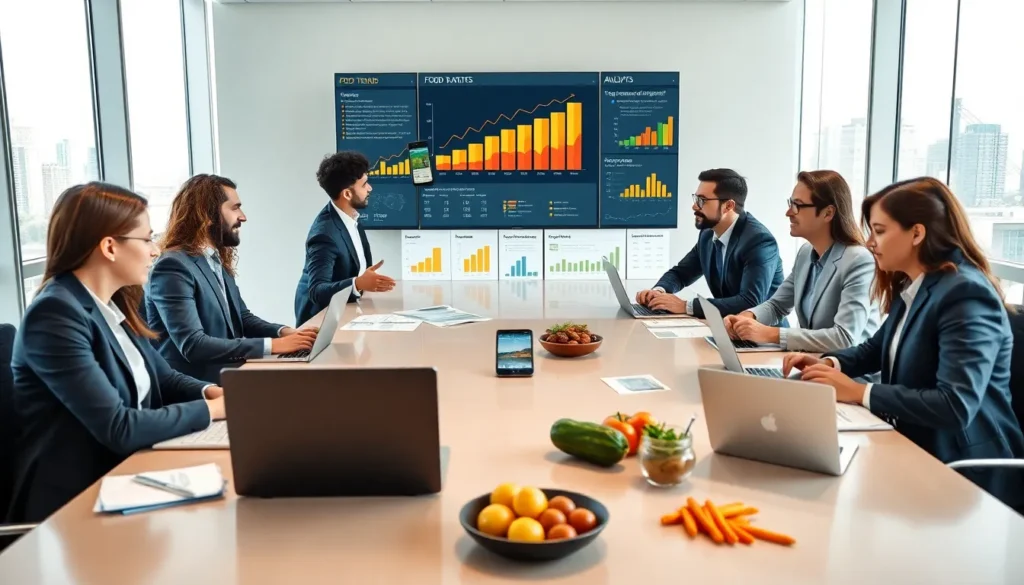
Food trends tools have become essential for anyone working in the culinary industry. Chefs, restaurant owners, food marketers, and product developers all need reliable ways to spot what consumers want next. The food industry moves fast. Yesterday’s superfood becomes today’s standard ingredient. A viral TikTok recipe can shift grocery store sales within weeks.
Staying ahead requires more than intuition. It demands data-driven insights and the right resources to interpret them. This guide covers the best food trends tools available, explains why tracking matters, and shows how to use these resources effectively.
Table of Contents
ToggleKey Takeaways
- Food trends tools help businesses reduce guesswork in menu development, product launches, and marketing by providing data-driven insights.
- Google Trends, Exploding Topics, TikTok Creative Center, and Pinterest Predicts are essential free or accessible food trends tools for spotting emerging consumer preferences.
- Cross-reference multiple food trends tools before acting—a trend appearing across searches, social media, and menus carries more weight than a single-source signal.
- Track trends over time using historical data to distinguish short-lived viral moments from lasting shifts in consumer behavior.
- Always connect trend insights to clear business workflows that define who evaluates feasibility, runs cost analysis, and develops new concepts.
- Balance data with creativity—use food trends tools as a starting point for original ideas rather than a template to copy exactly.
Why Tracking Food Trends Matters
The food industry generates over $8 trillion globally each year. Competition is intense. Brands that identify emerging preferences early gain significant advantages over slower competitors.
Food trends tools help businesses make smarter decisions. They reduce guesswork in menu development, product launches, and marketing campaigns. A restaurant that spots the plant-based protein trend early can adjust its offerings before competitors catch on. A CPG company tracking fermented foods can develop new products that meet rising demand.
Consumer preferences shift quickly. Health concerns, environmental awareness, cultural influences, and social media all drive changes in eating habits. Food trends tools capture these shifts in real time. They translate social chatter, search queries, and purchase data into actionable insights.
Without proper tracking, businesses risk investing in products nobody wants. They miss opportunities to connect with emerging consumer segments. They fall behind competitors who use data to guide their strategy.
Food trends tools also help validate ideas. Before committing resources to a new concept, teams can check whether similar products are gaining traction. They can identify which regions show strongest interest. They can understand the demographics most likely to respond.
Top Digital Tools for Monitoring Food Trends
Several categories of food trends tools exist. Each offers different strengths. Smart professionals combine multiple sources for a complete picture.
Social Media and Search-Based Trend Trackers
Google Trends remains one of the most accessible food trends tools available. It shows search volume changes over time for any term. Users can compare multiple ingredients, diets, or cuisines side by side. The geographic breakdown reveals where interest is strongest.
Exploding Topics identifies rising trends before they hit mainstream awareness. It uses AI to scan millions of searches and conversations. Food professionals use it to spot emerging ingredients and dietary patterns early.
TikTok’s Creative Center shows trending hashtags and sounds. Food content performs exceptionally well on the platform. Many viral food trends, from baked feta pasta to Dubai chocolate, originate here. Monitoring TikTok gives brands a window into what younger consumers find exciting.
Pinterest Predicts publishes annual forecasts based on search data. Pinterest users often plan purchases and meals months ahead. The platform’s predictions have proven remarkably accurate for food and beverage trends.
Spoonshot uses AI to analyze millions of menus, recipes, and social posts. It specializes in food and beverage trend forecasting. The platform provides specific predictions about ingredient growth and flavor combinations.
Industry Reports and Data Platforms
Mintel and Euromonitor offer comprehensive food industry reports. They cover market sizing, consumer surveys, and product innovation analysis. These services require significant investment but provide deep insights for enterprise-level decisions.
The Hartman Group focuses on consumer behavior and cultural trends. Their research explains why certain foods gain popularity, not just what’s trending.
Nielsen IQ and IRI track actual purchase data from retailers. They show what consumers are buying, not just what they’re searching for. This data grounds trend speculation in real sales figures.
FlavorWiki and Innova Market Insights specialize in flavor and product innovation tracking. They help R&D teams understand which taste profiles are emerging across different categories.
Food trends tools from trade publications also add value. Publications like Food & Wine, Bon Appétit, and Nation’s Restaurant News publish annual trend reports. These reflect expert opinions and industry insider knowledge.
How to Use Food Trend Tools Effectively
Owning access to food trends tools isn’t enough. Successful teams develop systematic approaches to extract value from them.
First, establish a regular monitoring schedule. Weekly check-ins with key platforms prevent trend blindness. Assign specific team members to track different sources. Create shared documents to log observations and emerging patterns.
Second, cross-reference multiple food trends tools before acting. A trend appearing in Google searches, TikTok videos, and restaurant menus carries more weight than one showing up in just a single source. Triangulation reduces the risk of chasing false signals.
Third, consider your specific audience. A trend popular among Gen Z urban consumers may not resonate with suburban families. Food trends tools often allow filtering by demographic or geographic segments. Use these features to find trends relevant to your customer base.
Fourth, track trends over time, not just snapshots. Some food interests spike briefly then fade. Others build steadily over months. Food trends tools with historical data help distinguish flash-in-the-pan moments from lasting shifts.
Fifth, connect trend data to business decisions. Create workflows that link insights to action. When the team spots a promising ingredient trend, define what happens next. Who evaluates feasibility? Who runs cost analysis? Who develops concepts?
Finally, balance data with creativity. Food trends tools inform decisions but shouldn’t replace innovation. The best food businesses use trend data as a starting point for original ideas, not a template to copy exactly.