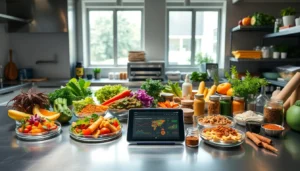

Food trends 2026 are reshaping how people eat, cook, and think about meals. This year brings bold shifts in plant-based options, wellness-focused ingredients, and global flavors that challenge the ordinary. Consumers want food that tastes great, supports their health, and respects the planet. Restaurants, grocery stores, and home cooks are responding with innovation at every level. Here’s what to expect on plates across America and beyond in 2026.
Table of Contents
ToggleKey Takeaways
- Food trends 2026 emphasize plant-based innovation, with fermentation technology and mycoprotein creating tastier, more textured alternatives to meat and dairy.
- Functional foods like adaptogens, fermented products, and protein-fortified snacks dominate as consumers expect meals to support gut health, stress relief, and better sleep.
- Global flavors from West Africa, the Philippines, and Peru are going mainstream, bringing ingredients like suya spice, ube, and ají amarillo into American kitchens.
- Sustainability drives purchasing decisions, with regenerative agriculture, upcycled foods, and seaweed-based products gaining traction among eco-conscious buyers.
- Technology reshapes dining through AI meal planners, ghost kitchens, smart appliances, and even 3D-printed food for personalized nutrition.
- Clean labels and transparency win consumer trust—shoppers in 2026 want to know exactly what’s in their food and where it comes from.
Plant-Based Innovation Goes Mainstream
Plant-based eating has moved far beyond veggie burgers and tofu scrambles. In 2026, food trends show a clear preference for whole-food plant options that taste as good as, or better than, their animal counterparts.
Manufacturers are using fermentation technology to create plant proteins with improved texture and flavor. Mycoprotein, derived from fungi, now appears in deli slices, breakfast sausages, and even seafood alternatives. These products appeal to flexitarians who want variety without committing to a fully vegan diet.
Restaurants are building entire menus around vegetables as the star. Cauliflower steaks, jackfruit tacos, and mushroom-based “bacon” attract diners looking for satisfying meals. The focus has shifted from imitation to innovation. Chefs celebrate what plants can do on their own terms.
Grocery aisles reflect this change too. Plant-based dairy now includes cashew-based brie, oat milk ice cream, and coconut yogurt with live cultures. Sales data from 2025 showed a 23% increase in plant-based cheese purchases, and that momentum continues into 2026.
For home cooks, accessibility matters. Affordable options like canned chickpeas, lentils, and beans remain staples. The difference in 2026 is how brands market these basics, highlighting protein content, recipe ideas, and environmental benefits on packaging.
Functional Foods and Wellness-Driven Eating
Consumers in 2026 expect their food to work harder. Functional foods, those offering specific health benefits beyond basic nutrition, dominate grocery shelves and restaurant menus.
Adaptogens like ashwagandha, lion’s mane, and reishi appear in everything from morning coffee to afternoon snacks. These ingredients promise stress relief, mental clarity, and immune support. Brands back claims with clinical studies and transparent labeling.
Gut health remains a top priority. Fermented foods such as kimchi, kefir, sauerkraut, and kombucha continue their rise. Prebiotic fiber shows up in crackers, cereals, and protein bars. People understand the gut-brain connection and eat accordingly.
Protein fortification extends beyond fitness circles. Everyday products like pasta, bread, and even cookies now feature added protein from pea, hemp, or egg white sources. Parents want protein-packed snacks for kids. Athletes want convenient recovery options. Food trends 2026 deliver both.
Sleep-supporting foods gain traction too. Tart cherry juice, magnesium-infused beverages, and chamomile-laced desserts target the growing population struggling with rest. Food becomes a tool for overall well-being, not just fuel.
The wellness movement also pushes back against ultra-processed options. Clean labels with recognizable ingredients win consumer trust. If a grandmother can’t pronounce it, many shoppers won’t buy it.
Global Flavors and Regional Cuisines Take Center Stage
American palates are expanding rapidly. Food trends 2026 highlight cuisines from West Africa, Southeast Asia, and South America like never before.
West African ingredients gain significant attention. Suya spice blends, jollof rice, and shito (a spicy black pepper sauce from Ghana) appear on fast-casual menus and in supermarket aisles. Nigerian, Ghanaian, and Senegalese restaurants open in cities nationwide.
Filipino food finally gets mainstream recognition. Adobo, lumpia, and ube desserts move from niche to normal. Grocery chains stock pandesal bread and calamansi juice. Home cooks experiment with sinigang soup kits.
Peruvian cuisine builds on its earlier momentum. Ceviche remains popular, but dishes like lomo saltado and causa gain ground. Ají amarillo paste becomes a pantry staple for adventurous cooks.
Regional American cuisines also receive fresh attention. Gullah Geechee cooking from the Carolina Lowcountry, Cajun dishes from Louisiana, and Sonoran Mexican food from Arizona inspire chefs and food writers. People want authenticity and stories behind their meals.
Spice tolerance continues climbing. Gochugaru, Calabrian chili, and Sichuan peppercorns appear in sauces, marinades, and snacks. Heat seekers have more options than ever before.
Sustainability and Regenerative Agriculture
Environmental concerns shape purchasing decisions in 2026. Food trends reflect a demand for transparency about sourcing, farming practices, and carbon footprints.
Regenerative agriculture enters mainstream conversation. This approach goes beyond “sustainable” to actively improve soil health, increase biodiversity, and capture carbon. Brands proudly display regenerative certifications on packaging. Consumers pay attention.
Upcycled foods reduce waste while creating value. Products made from spent grain, fruit pulp, and vegetable scraps fill a growing market niche. Beer breweries partner with snack companies to turn brewing byproducts into chips and crackers.
Seaweed emerges as a sustainable superfood. It requires no fresh water, no fertilizer, and absorbs carbon dioxide while growing. Kelp snacks, seaweed seasonings, and algae-based omega-3 supplements appeal to eco-conscious buyers.
Packaging matters too. Compostable wrappers, refillable containers, and minimal plastic options influence brand loyalty. Younger consumers especially vote with their wallets for companies that reduce environmental impact.
Local food systems strengthen as well. Farmers markets, community-supported agriculture (CSA) programs, and farm-to-table restaurants thrive. People want to know where their food comes from and who grew it.
Technology-Driven Dining Experiences
Technology reshapes how people discover, order, and enjoy food in 2026. Food trends reflect both convenience and creativity.
AI-powered meal planning apps suggest recipes based on dietary preferences, pantry inventory, and nutritional goals. These tools reduce food waste by helping users cook what they already have. Personalization reaches new levels of precision.
Ghost kitchens continue expanding. These delivery-only operations allow chefs to test concepts without traditional overhead costs. Virtual restaurant brands multiply, offering everything from Nashville hot chicken to poke bowls from shared kitchen spaces.
Smart kitchen appliances become more accessible. Precision cookers, app-connected ovens, and automated meal prep systems help home cooks achieve restaurant-quality results. Technology removes barriers to ambitious cooking projects.
QR code menus evolved into interactive experiences. Diners scan codes to view ingredient sourcing information, allergen details, and even video content showing dish preparation. Transparency builds trust.
Food delivery services add new tiers. Premium options promise faster delivery, temperature-controlled packaging, and exclusive restaurant partnerships. Convenience remains king, but quality expectations rise alongside it.
3D-printed food moves from novelty to practical application. Customized nutrition bars, intricate chocolate designs, and even pasta shapes emerge from commercial printers. The technology isn’t everywhere yet, but early adopters embrace it.