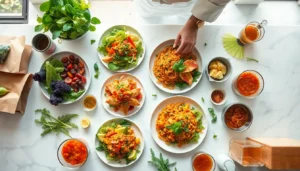
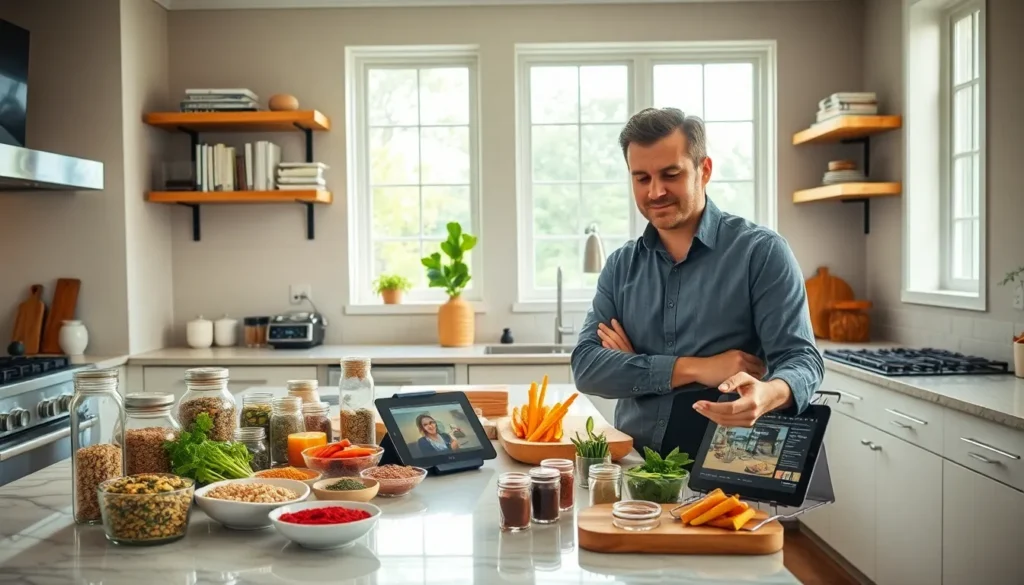
Food trends shape how people eat, cook, and think about meals. Understanding how to identify food trends gives home cooks, food enthusiasts, and professionals a clear advantage. Some trends fade quickly. Others change dining habits for years. This guide explains where to find emerging food trends, how to evaluate them, and practical ways to bring them into your kitchen. Whether someone wants to stay current or simply try something new, learning how to follow food trends starts with knowing what to look for.
Table of Contents
ToggleKey Takeaways
- Food trends range from short-lived micro-trends like viral recipes to lasting macro-trends that permanently change how we eat and shop.
- Discover emerging food trends early by monitoring TikTok, Instagram, Pinterest reports, industry publications, and innovative restaurant menus.
- Evaluate food trends by checking multiple sources, considering personal taste, and assessing ingredient accessibility before committing.
- Incorporate food trends into your cooking by swapping trendy ingredients into familiar recipes for low-risk experimentation.
- Trends backed by health benefits, environmental advantages, or cultural roots tend to have greater staying power than novelty-driven fads.
- Balance trendy recipes with comfort favorites to keep cooking enjoyable without feeling overwhelmed by constant experimentation.
What Defines A Food Trend
A food trend is a noticeable shift in eating habits, cooking techniques, or ingredient popularity. It goes beyond a single viral recipe. True food trends show up across restaurants, grocery stores, and social media simultaneously.
Several factors drive food trends. Cultural influences play a major role. Immigration patterns bring new cuisines to wider audiences. Health research shifts public interest toward specific ingredients or diets. Environmental concerns push plant-based options and sustainable sourcing into mainstream conversation.
Food trends also differ in lifespan. Some are micro-trends, think cronut hybrids or rainbow bagels. They generate excitement but disappear within months. Others become macro-trends that reshape entire industries. The plant-based protein movement, for example, started as a niche interest and now occupies permanent shelf space in most supermarkets.
Recognizing the difference matters. Micro-trends offer fun experimentation. Macro-trends signal lasting changes worth understanding. Both provide value, but they require different levels of investment in time and resources.
Consumer demand eventually decides which food trends stick. When enough people change their buying habits, food producers respond. Restaurants add menu items. Grocery chains expand product lines. This cycle reinforces successful trends and accelerates their spread.
Where To Discover Emerging Food Trends
Finding food trends early requires watching the right sources. Several platforms consistently surface new developments before they hit mainstream awareness.
Social Media Platforms
TikTok and Instagram drive many current food trends. Viral recipes spread within hours. Hashtags like #FoodTok expose millions to new ingredients and techniques daily. Following food creators, chefs, and recipe developers provides a constant stream of emerging ideas.
Pinterest offers a different angle. Its annual trend reports predict what users will search for in coming months. The platform’s data reflects genuine consumer interest rather than fleeting viral moments.
Industry Publications And Reports
Trade publications track food trends with professional analysis. Reports from organizations like the National Restaurant Association, Whole Foods Market, and specialty food associations identify trends based on sales data and chef surveys. These sources offer credibility and context that social media often lacks.
Restaurant Menus And Chefs
Professional kitchens test new concepts before they reach home cooks. Watching what appears on menus at innovative restaurants signals what might become popular later. Fine dining establishments often introduce techniques or ingredients that trickle down to casual dining and eventually home cooking.
Farmers Markets And Specialty Stores
Local markets reveal regional food trends and seasonal shifts. Specialty grocery stores stock emerging products before conventional chains. Shopping at these locations exposes buyers to ingredients and products ahead of wider distribution.
Global Cuisine Exploration
Many food trends originate from international cuisines gaining new audiences. Korean, Filipino, and West African flavors have all experienced surge periods in Western markets. Staying curious about global food cultures helps identify which cuisines might trend next.
How To Evaluate Which Trends Are Worth Trying
Not every food trend deserves attention. Smart evaluation saves time, money, and kitchen frustration.
Consider Personal Taste And Dietary Needs
A trend only matters if it aligns with how someone actually eats. Fermented foods might be popular, but they’re not worth pursuing for someone who dislikes tangy flavors. Filter trends through personal preferences first.
Assess Accessibility And Cost
Some trendy ingredients remain expensive or hard to find. Before committing to a food trend, check local availability and price points. A trend that requires specialty imports might work for occasional cooking but won’t become a regular habit.
Look For Staying Power
Trends with health benefits, environmental advantages, or strong cultural roots tend to last longer. Superfoods backed by nutritional research often outlast those promoted purely through marketing. Ask whether a trend solves a real problem or just offers novelty.
Check Multiple Sources
When a food trend appears across different platforms and publications, it signals broader momentum. A trend mentioned only on one social media account might be manufactured hype. Cross-reference discoveries before investing effort.
Start Small
Test a trend with one recipe or small ingredient purchase. There’s no need to overhaul an entire pantry based on a single Instagram video. Experimentation should feel low-risk and enjoyable.
Incorporating Food Trends Into Your Cooking
Bringing food trends into a home kitchen works best with a practical approach. Small adjustments often create the biggest impact.
Swap Ingredients In Familiar Recipes
Replace standard components with trendy alternatives. Use tahini instead of peanut butter. Try ube in place of vanilla. Substitute ancient grains for white rice. These swaps introduce new flavors without requiring entirely new techniques.
Follow Creators Who Specialize In Trends
Food bloggers and YouTube channels dedicated to trending recipes provide tested instructions. They’ve already worked out the kinks. Following their guidance reduces trial and error.
Host Theme Nights
Pick a food trend and build a meal around it. Korean-inspired taco night or a fermented foods dinner creates structure for experimentation. It turns trend exploration into an event rather than a chore.
Document What Works
Keep notes on which trendy recipes or ingredients become household favorites. Some trends will fade from public conversation but remain personal staples. Tracking successes builds a customized repertoire.
Balance Trends With Comfort
Not every meal needs to feature the latest food trend. Mixing new discoveries with familiar favorites keeps cooking enjoyable. Trends should enhance a cooking routine, not overwhelm it.